
Choosing the right hire car is not just about picking a model that looks good in the search results. In car hire, you normally book a vehicle category, not a guaranteed exact model. The car shown online is usually an example of the size, type and main features you can expect, but the supplier may provide a similar vehicle in the same category.
That difference matters. A compact hatchback, an estate car, an SUV and a people carrier can all be sensible choices in the right situation, but the best option depends on passengers, luggage, route, parking, driving style, fuel needs and the conditions attached to the booking.
On gocarhire.co.uk, you can compare car hire deals, review vehicle categories, check supplier conditions and look at practical details such as transmission, fuel policy, deposit, excess and included equipment before booking.
This guide explains how car hire categories and models work, how to read SIPP codes and booking icons, and how to choose a vehicle that fits the trip rather than simply choosing the cheapest car on the page.
At a glance: car hire categories and models
- Model is not usually guaranteed: you normally book a vehicle category, such as economy, compact, intermediate, SUV or premium.
- "Or similar" matters: the supplier can provide an equivalent car with comparable size and features.
- SIPP codes help decode the offer: they summarise vehicle category, body style, transmission, fuel and air conditioning.
- Luggage space is often the deciding factor: five seats do not always mean enough boot space for five travellers.
- Transmission and fuel type affect comfort: automatic, manual, diesel, petrol, hybrid and electric cars suit different trips.
- Higher categories can mean stricter conditions: premium, luxury, SUV and van bookings may have different deposit, excess or driver requirements.
- The best vehicle is the one that matches the journey: city driving, long motorway trips, family travel and rural routes call for different choices.
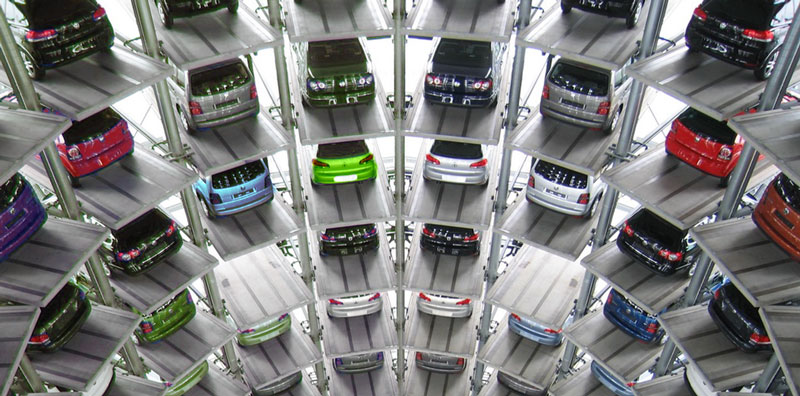
You book a category, not usually an exact model
The first rule of choosing a hire car is understanding what the booking actually guarantees. In most cases, the displayed model is a representative example. If you see "Volkswagen Golf or similar", the important part is "or similar": the supplier is offering a compact category vehicle with comparable characteristics, not necessarily that exact Volkswagen Golf.
This is normal in car hire because fleets move constantly. Cars are returned late, moved between branches, upgraded, repaired, cleaned or held for operational reasons. The supplier therefore commits to the booked category, or to an equivalent or higher category if the original category is not available.
The practical consequence is simple: do not choose only because you like the photo. Check the category, number of doors, passenger capacity, luggage estimate, transmission and supplier conditions. Those details are much more reliable than the image.
Important: if you need a very specific feature, such as automatic transmission, enough space for child seats, a large boot or a particular fuel type, make sure that feature is part of the offer details rather than just suggested by the example photo.
How SIPP codes describe a hire car
Car hire companies use SIPP codes to describe vehicle categories in a standardised way. A SIPP code is usually made of four letters. Each letter gives information about the vehicle: size or category, body type or doors, transmission, and fuel or air conditioning.
You do not need to memorise every code to book a car. However, understanding the logic helps you compare offers more carefully, especially when two cars look similar but belong to different categories. For a deeper explanation, read our guide to SIPP codes.
| Code position | What it usually describes | Why it matters |
|---|---|---|
| 1st letter | Vehicle category or size | Shows whether the car is mini, economy, compact, intermediate, standard, premium or another class. |
| 2nd letter | Body type or doors | Helps distinguish hatchbacks, estates, SUVs, vans, convertibles and number of doors. |
| 3rd letter | Transmission and drive | Indicates manual or automatic, which is essential if you cannot or do not want to drive a manual car. |
| 4th letter | Fuel type and air conditioning | Can point to petrol, diesel, hybrid, electric or whether air conditioning is included. |
SIPP codes are useful, but they are not a substitute for reading the booking details. If a feature is crucial for your trip, check the visible offer information and supplier conditions before confirming.
Main car hire categories explained
Vehicle categories are designed to group cars by size, comfort level and practical use. The exact model may vary, but the category gives you a good idea of what the car is meant for.
| Category | Best for | What to check |
|---|---|---|
| Mini | City driving, short trips, tight parking and low daily cost. | Limited luggage space, rear-seat comfort and motorway suitability. |
| Economy | Couples, solo travellers and light luggage. | Number of doors, boot size and whether air conditioning is included. |
| Compact | Balanced choice for city and motorway use. | Comfort for rear passengers and luggage estimate. |
| Intermediate / standard | Longer journeys, small families and more luggage. | Fuel use, parking practicality and deposit conditions. |
| Estate | Families, luggage-heavy trips and road holidays. | Boot shape, rear-seat space and whether luggage can be hidden safely. |
| SUV | Higher driving position, rural routes, family comfort and mixed roads. | Fuel use, parking size, excess and whether off-road use is allowed. |
| People carrier / van | Groups, families with equipment or moving bulky items. | Driving licence rules, luggage with all seats used and height restrictions. |
| Premium / luxury | Business travel, special occasions and high comfort. | Security deposit, excess, driver age, card requirements and included mileage. |
Choose by trip, not by photo
The most useful way to choose a hire car is to start from the journey. A small car can be perfect for a city break and frustrating for a long family holiday. A large SUV can feel comfortable on open roads and inconvenient in a city centre car park.
Prioritise compact size, easy parking and low fuel use. Mini, economy and compact categories are usually the most practical.
Comfort, boot space, cruise-friendly driving and seat support matter more than the lowest daily price. Our long journey car hire guide covers this in more detail.
Check rear-seat access, child seat compatibility, luggage space and comfort for longer drives. See also our family car hire tips.
Look beyond seat count. A seven-seat vehicle may have limited luggage space when all seats are in use, so a van or larger people carrier may be more realistic.
Passengers and luggage: the detail many travellers underestimate
The number of seats tells only part of the story. A car may technically carry five people, but that does not mean it can comfortably carry five people plus five suitcases. Boot capacity, seat layout and the shape of the luggage area can make a major difference.
When comparing offers, treat the luggage icons as an estimate, not a promise that every bag will fit. Soft bags are easier to arrange than rigid suitcases. Pushchairs, sports equipment, business samples and child seats can reduce usable space quickly.
Practical rule: if luggage space is close to the limit, choose the next category up. The extra cost can be worth it if it prevents unsafe cabin luggage, blocked rear visibility or an uncomfortable first day of travel.
If you are travelling with children, check whether you need child seats, boosters or extra luggage space for pushchairs. Our child seats and booster seats guide explains what to consider before booking extras.
Transmission, fuel type and equipment
Two cars in the same size category can feel very different if one is manual and the other is automatic, or if one is diesel and the other is electric. These details can affect comfort, cost, route planning and confidence at the wheel.
| Feature | When it helps | What to check |
|---|---|---|
| Automatic transmission | Traffic, unfamiliar roads, long drives and travellers used to automatics. | Make sure automatic is shown in the offer, not just suggested by the example model. Read our automatic car hire guide. |
| Diesel | Longer routes and motorway use, depending on availability and local rules. | Whether diesel is guaranteed and what fuel policy applies. See our diesel car hire guide. |
| Electric or hybrid | City trips, planned routes and travellers comfortable with charging. | Range, charging requirements, return charge level and supplier instructions. Read more in our electric car hire guide. |
| GPS or navigation | Unfamiliar destinations, rural routes and multi-stop trips. | Whether it is built in, an optional extra or better handled through your phone. See the GPS car hire guide. |
Fuel policy is a separate but connected decision. A suitable vehicle can still become inconvenient if the return fuel rule does not match your journey. For the main options, see our car hire fuel policy guide.
Special categories: vans, luxury cars, SUVs and convertibles
Special vehicle categories can be very useful, but they deserve extra checks before booking. The bigger, more expensive or more specialised the vehicle, the more important it is to read the supplier conditions carefully.
A van may require more planning around loading space, height restrictions, parking and driving licence rules. A luxury car may carry a higher security deposit or stricter card requirements. An SUV may not be authorised for off-road use even if it looks suitable for rough tracks. A convertible may be attractive for a holiday route, but less practical with luggage or bad weather.
Useful for bulky items or group equipment, but check dimensions, licence rules, mileage and deposit. Our van hire guide covers the main checks.
Best for comfort or special occasions, but read deposit, excess, mileage, age and card conditions before booking. See our luxury car hire guide.
Good for comfort, luggage and road presence, but not automatically suitable for off-road driving. Check restrictions in the supplier conditions.
Vehicle choice can affect deposit, excess and card rules
The vehicle category can influence the financial conditions attached to the booking. Larger, premium or specialist vehicles may involve different security deposit amounts, excess levels or card requirements compared with smaller categories. The exact rules depend on the supplier, location and offer.
This is why the cheapest visible price is not always the best choice. A slightly more expensive offer may have conditions that are easier for you to meet, while a higher-category vehicle may require a stronger card limit at pick-up.
Before booking, check the supplier conditions for deposit, excess, accepted cards, main driver requirements and any mileage limits. If you are comparing financial risk as well as comfort, these guides may help: which agency blocks the lowest deposit, car hire insurance and excess and car hire without a credit card.
What happens if the booked category is not available?
If the exact example model is not available, the supplier should provide a similar vehicle in the same category or, if needed, a higher category. That is normally acceptable when the replacement car is genuinely equivalent for passengers, luggage, transmission and key features.
Problems arise when the replacement does not match an essential part of the booking. For example, a manual car is not an equivalent replacement if you booked automatic transmission. A smaller boot may be a practical problem if luggage capacity was central to your booking. A vehicle with fewer doors can also be inconvenient for families or older passengers.
At the desk: if the proposed car does not match a key booked feature, ask the staff to show how it is equivalent. Keep the rental agreement and any written notes or updated contract if the vehicle changes.
If the issue becomes part of a wider pick-up problem, our car pick-up tips explain what to check before signing and driving away.
How to read booking icons and vehicle details
Booking icons are there to help you compare offers quickly, but they should be read carefully. They usually show passengers, luggage, doors, transmission, air conditioning and sometimes fuel type or special equipment.
Use them as a first filter, then confirm the details in the offer. If you need automatic transmission, do not rely only on the model name. If you need room for four suitcases, check the luggage icon and consider whether your bags are large, rigid or unusually shaped. If you need a specific fuel type, check whether it is guaranteed or just an example.
Vehicle details to check before booking
- category name and example model;
- passenger and luggage estimate;
- number of doors;
- manual or automatic transmission;
- air conditioning;
- fuel type, if important for your route;
- included mileage or mileage limits;
- deposit, excess and accepted card rules;
- pick-up location and desk instructions.
Final checklist: choosing the right hire car category
Before you confirm the booking
- Choose the category for the real trip, not just the cheapest visible model.
- Check that the passenger and luggage estimate is realistic for your group.
- Confirm whether the booking is manual or automatic.
- Check whether the model is only an example and whether the offer says "or similar".
- Read the supplier conditions for deposit, excess, card rules and mileage.
- Consider whether a larger vehicle creates parking, fuel or access problems.
- For families, check child seats, door layout and boot space.
- For long journeys, prioritise comfort, luggage space and fuel practicality.
- For premium, luxury, SUV or van categories, check whether extra requirements apply.
- Save the booking voucher and compare it with the rental agreement at the desk.
At pick-up
- Check that the vehicle category matches the booking.
- Confirm transmission, fuel type and key equipment before leaving.
- Make sure the luggage and passenger setup works in practice.
- Ask for clarification before signing if the proposed vehicle differs from the booked category.
- Inspect the car and record existing damage before driving away.
So, which hire car should you choose?
The right hire car is the one that makes the whole journey easier: enough space for passengers and luggage, suitable transmission, realistic fuel needs, manageable parking and supplier conditions you can meet at pick-up. The exact badge on the bonnet is usually less important than the category and the confirmed features.
Use the vehicle photo as a guide, but base the decision on category, SIPP-style details, booking icons and supplier conditions. On gocarhire.co.uk, comparing these details before booking helps you avoid mismatched expectations at the desk and choose a car that fits the trip from the first mile.