
Hiring a car with a pet in the UK is usually possible, but it requires a little preparation. Most major car hire companies allow pets in at least part of their fleet, provided the animal is safely restrained, the vehicle is returned clean and no damage is caused to the interior.
This is not just a matter of company policy. The UK Highway Code makes it clear that dogs and other animals should be suitably restrained while travelling, so they cannot distract the driver or injure themselves, the driver or passengers if the vehicle stops suddenly.
For this reason, travelling with a dog or cat in a hire car means thinking about three things at the same time: road safety, vehicle cleanliness and the specific car hire terms and conditions of the supplier you choose.
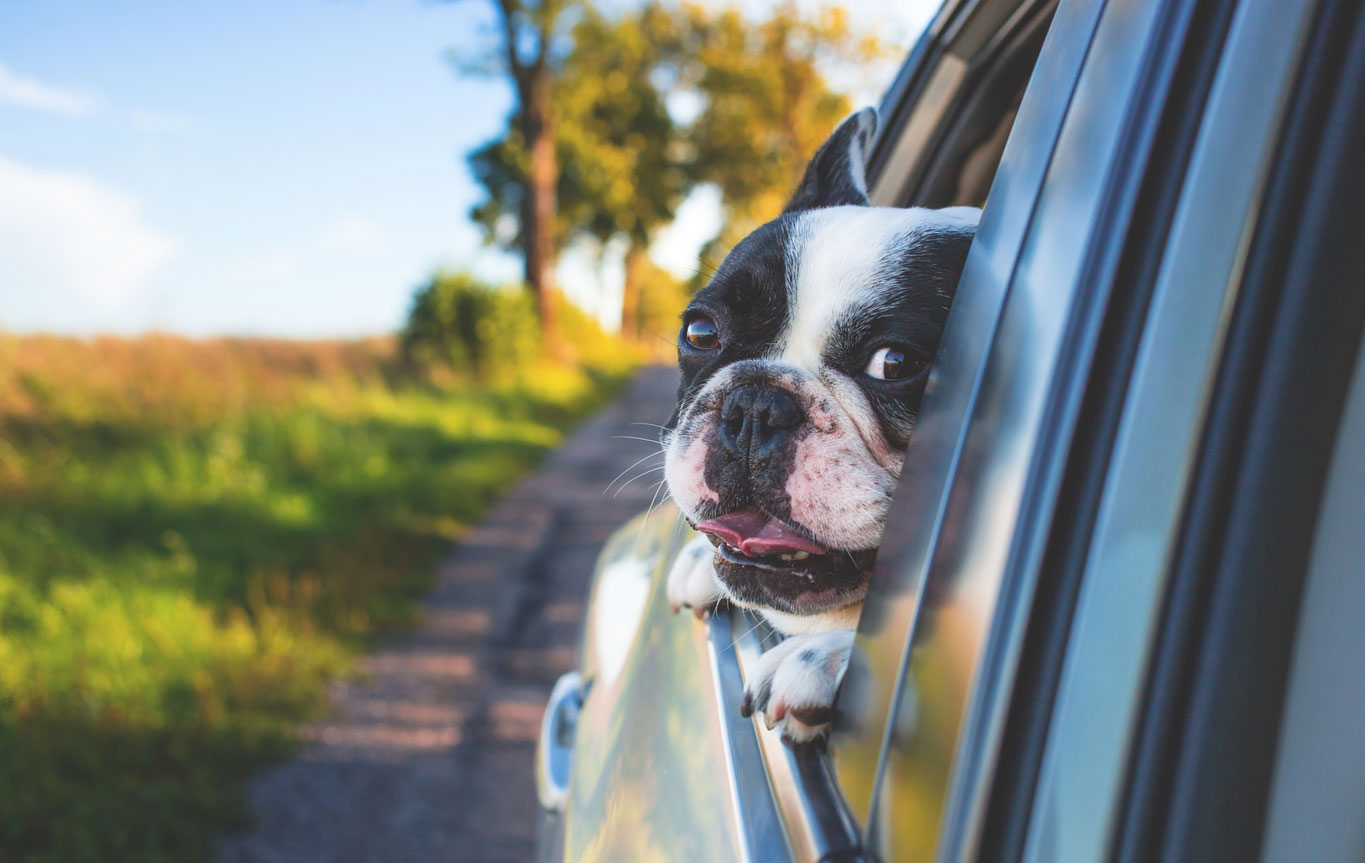
In brief: hiring a car with pets in the UK
- Pets are often allowed: many UK car hire companies permit dogs and cats, but supplier rules differ.
- Restraint is essential: pets should travel in a carrier, cage, boot guard area or with a suitable seat belt harness.
- Cleaning fees can apply: pet hair, odours, stains or excessive dirt may lead to professional valeting charges.
- Damage is your responsibility: scratches, chewed seat belts, damaged trim or torn upholstery are usually charged to the hirer.
- Some suppliers are stricter: certain companies or vehicle categories may require prior approval or exclude pets, except assistance dogs.
- Vehicle choice matters: an estate, SUV or people carrier is usually better for medium and large dogs than a small city car.
UK road rules: pets must be safely restrained
Rule 57 of the Highway Code states that, when travelling in a vehicle, dogs and other animals should be suitably restrained so they cannot distract the driver or injure themselves or other occupants if the vehicle stops quickly.
In practical terms, this means you should not allow your dog to move freely around the cabin, sit on the driver’s lap or lean between the front seats. Even a calm pet can become a serious distraction, and in an emergency stop an unrestrained animal can be thrown forward with considerable force.
- Pet carrier → ideal for cats and small dogs.
- Dog crate or cage → suitable for longer journeys and boot travel.
- Seat belt harness → useful for dogs travelling on the rear seat.
- Dog guard → recommended when a dog travels in the boot area of an estate, SUV or people carrier.
If you are planning a long trip with children and pets, it can also be useful to read our family car hire travel tips, as many planning principles are the same: enough space, regular breaks, safe seating and easy access to essentials during the journey.
Pet travel documents and post-Brexit checks
If you are travelling within the UK with your own pet, you will not usually need to show pet travel documents to the car hire company. However, documentation becomes important if you are entering Great Britain with a pet, leaving Great Britain with a pet, or planning to cross borders during your rental.
For dogs, cats and ferrets entering Great Britain, the core requirements usually include microchipping, a valid rabies vaccination and the correct pet travel document, depending on the country of origin. If you are travelling from Great Britain to the EU, the requirements are different from the pre-Brexit pet passport system and usually involve an Animal Health Certificate.
| Situation | What to check | Why it matters |
|---|---|---|
| Pet entering Great Britain | Microchip, rabies vaccination and accepted pet travel documentation. | Non-compliant pets may be refused entry or require quarantine arrangements. |
| Pet travelling from Great Britain to the EU | Animal Health Certificate, rabies rules and any country-specific treatment requirements. | Cross-border travel is more complex after Brexit. |
| Cross-border car hire | Supplier permission, cross-border fee, insurance validity and pet documents. | Taking a hire car abroad without authorisation can breach the rental agreement. |
Practical tip: keep digital copies of your pet’s documents, vaccination record and microchip details. If your itinerary includes international travel, check both the animal travel rules and the car hire supplier’s cross-border policy before booking.
If your trip involves leaving the UK or driving abroad, read our guide to cross-border car hire rules before you book.
Policies of major UK car hire companies
UK car hire companies do not all treat pets in the same way. Some are openly pet-friendly, some allow pets subject to cleanliness rules, and others are much more restrictive unless the animal is an assistance dog.
Because the rules can vary by supplier, location and vehicle category, the safest approach is to check the supplier’s conditions before booking and, where possible, request written confirmation if you plan to travel with a pet.
| Supplier / group | General approach | What to watch out for |
|---|---|---|
| Enterprise / Alamo / National | Generally pet-friendly, with a strong preference for animals travelling in carriers or crates. | Cleaning charges may apply if there is pet hair, dander, odour or dirt beyond normal use. |
| Hertz / Dollar / Thrifty | Usually permissive, with the customer expected to provide restraint systems and protect the vehicle. | Fees depend on the condition of the vehicle at return, especially if special cleaning is needed. |
| SIXT | Often positioned as a pet-friendly option, especially for larger vehicles such as SUVs and people carriers. | Luxury categories, cross-border travel and specific locations may have additional restrictions. |
| Europcar | More restrictive: ordinary pets may require permission from the collection branch, while assistance dogs are treated differently. | Get written confirmation before travelling with a pet, especially for non-assistance animals. |
| Avis / Budget | Pets may be accepted in many standard vehicles, subject to cleanliness and damage rules. | Premium or prestige vehicles may be more restricted, and professional valeting fees can be significant. |
Important: supplier policies can change and may vary by branch. Always check the “Important Information” and supplier terms shown during the booking process on gocarhire.co.uk.
Cleaning fees, valeting charges and damage risks
Most of the cost risk comes at the end of the rental, not at the start. Many suppliers do not charge a fixed “pet fee” when you collect the vehicle, but they can charge you later if the car needs professional cleaning or if the pet has damaged the interior.
Pet hair is often treated as more than ordinary dirt because it can be difficult to remove from fabric seats, carpets and boot liners. It can also create problems for the next customer, especially if they have allergies.
| Type of cost | Indicative amount | When it may apply |
|---|---|---|
| Fixed pet fee | Often £0 | Many suppliers do not charge simply because a pet is travelling. |
| Extra cleaning / valeting | Often around £80 to £200+ | Pet hair, dirt, odour or staining beyond normal cleaning. |
| Specialist detailing | Potentially £200+ | Deep cleaning, steam cleaning, odour removal or vehicle downtime. |
| Interior damage | Repair cost charged to the hirer | Scratched upholstery, chewed belts, damaged trim or torn boot liners. |
It is also worth remembering that damage caused by pets is not normally considered fair wear and tear. Even if you have purchased additional cover, careless use or failure to restrain the animal may still leave you responsible for interior damage.
For more detail on excess, damage liability and protection options, see our car hire insurance and excess guide.
Which hire car is best for travelling with a pet?
The best car depends on the size of your animal, the length of the journey and how many passengers and bags you need to carry. A small dog or cat may travel comfortably in a compact car, while a large dog will usually need an estate, SUV or people carrier.
| Pet size | Recommended category | Typical use case | Practical advice |
|---|---|---|---|
| Small pet Under 10 kg |
Mini / Economy | Cats, small dogs, short city trips. | Use a secured carrier on the rear seat or in the footwell area if suitable. |
| Medium dog 10 to 20 kg |
Compact / Intermediate | Weekend trips, short holidays, one or two passengers. | Use a harness and full rear-seat cover or a suitable crate. |
| Large dog 20 to 40 kg |
Estate / SUV | Long trips, rural holidays, luggage plus dog equipment. | Choose a large boot, boot liner and dog guard where possible. |
| Very large dog Over 40 kg |
People carrier / van-style passenger vehicle | Large breeds, long holidays, multiple passengers. | Prioritise boot height, flat loading space and easy access. |
If you are planning a long-distance journey, do not choose the smallest car just to save a few pounds. A more suitable vehicle can reduce stress for the animal, protect the interior and make the journey safer for everyone.
You can also compare vehicle categories in our car hire vehicle guide or read our advice on the best car for a long journey.
How to avoid extra charges when returning the car
The easiest way to avoid pet-related charges is to prevent hair, smells and scratches in the first place. Cleaning the vehicle before returning it is often far cheaper than paying the supplier’s professional valeting fee.
A waterproof cover or thick blanket helps protect fabric, leather, carpets and boot liners.
A lint roller, pet-hair brush and small towel can make a big difference before return.
A few minutes at a petrol station vacuum can prevent a much larger valeting charge.
Photograph seats, boot, carpets and dashboard in case a cleaning charge is disputed later.
For a complete end-of-rental checklist, read our guide to returning a hire car without surprises.
Hot weather, welfare and never leaving pets in the car
Even in the UK, a parked car can become dangerously hot very quickly. Dogs are particularly vulnerable to heatstroke, and leaving an animal in a vehicle in warm weather can have serious welfare and legal consequences if the animal suffers.
Never leave your pet unattended in the vehicle during warm weather, even for a short stop. Opening the window slightly is not enough to keep the car safe. If you need to stop for food, fuel or a break, plan ahead so one person can stay with the animal or choose pet-friendly places where the animal can leave the vehicle with you.
Pet comfort checklist
- Bring water and a travel bowl.
- Plan regular stops, especially on long motorway journeys.
- Avoid feeding your pet immediately before travel if they suffer from car sickness.
- Use ventilation or air conditioning to keep the rear of the car comfortable.
- Carry a towel for muddy paws or wet fur.
- Never leave the animal alone in the car on warm days.
Before booking: what to check on gocarhire.co.uk
The search process on gocarhire.co.uk helps you compare vehicles and suppliers, but the final rules are always those of the car hire company shown in the booking conditions. When travelling with a pet, take a few extra minutes to check the key details before confirming.
| What to check | Why it matters |
|---|---|
| Supplier terms | To confirm whether pets are allowed and whether prior approval is needed. |
| Vehicle category | To make sure there is enough room for your pet, passengers and luggage. |
| Cleaning policy | To understand when valeting or specialist cleaning charges may apply. |
| Damage and excess | To understand what you may pay if the pet damages the vehicle interior. |
| Cross-border use | To avoid breaching the rental agreement if travelling outside the UK. |
To prepare for collection, you may also want to read our car hire collection checklist.
Final thoughts: travelling with pets in a UK hire car
Hiring a car with a pet in the UK is perfectly manageable if you plan ahead. The key is to choose a suitable vehicle, restrain the animal correctly, protect the interior and return the car in a clean condition.
The biggest mistake is assuming that “pets allowed” means “no responsibility”. In reality, the animal may be welcome, but cleaning, odours, hair and interior damage remain the hirer’s responsibility. A seat cover, a proper restraint, a quick vacuum and a few photos at return can save you from unnecessary charges.
When in doubt, check the supplier’s terms before booking and contact the branch directly if you need confirmation. This is especially important for large dogs, premium vehicles, cross-border journeys or assistance dog arrangements.
Travel with your pet, without the stress
Compare car hire offers, choose a suitable vehicle and check the supplier’s pet policy before you book.
SEARCH CAR HIRE